
Do I really even need a website?
Why owning your digital home still matters
Seven reasons why relying solely on third-party platforms is a risky approach to managing your personal brand.
In an online world dominated by LinkedIn posts, Instagram reels, Substack newsletters, Bluesky threads, and YouTube videos, you might wonder: Do I really even need a website anymore?
It’s a fair question, especially when social platforms make it so easy to publish content, grow an audience, and connect with your niche. But while social media is undeniably powerful, relying on it as your only online presence comes with serious limitations.
If you’re building a personal brand, running a business, or simply trying to position yourself as a thought leader, owning your own website isn’t optional. It’s essential. Here are seven reasons why.
1. Your website is the only place you truly own
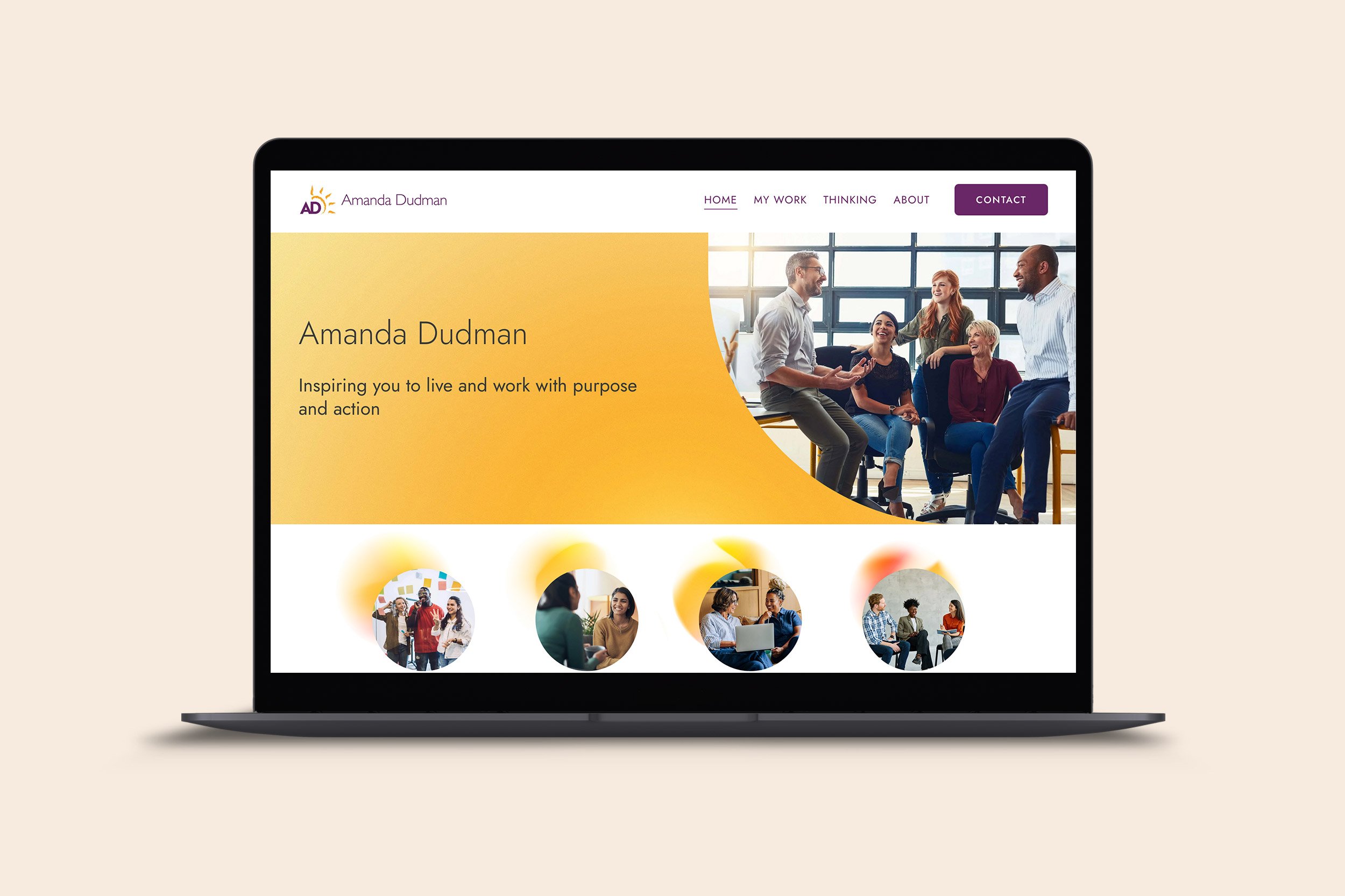
Relying only on social platforms means your professional story lives on rented land that can change its rules, reach, or even disappear with little warning. Look at what happened to Twitter or Tumblr in recent memory, or go a few years back and you might remember Vine or MySpace. Suddenly that huge, well-established platform might not seem like such a safe bet for housing something as important as your thoughts and media. A website on your own domain is a permanent, central home for your content and credentials that can grow and evolve with you, instead of being tied to any single app’s lifecycle or whims. Social platforms are rented space; a website is ownership.
2. You maintain control over your content and IP
When everything you write lives inside LinkedIn posts, Instagram captions, or someone else’s newsletter platform, you are limited by their formats, features, and policies. Publishing on your own site first means you decide what to publish, how it looks, how long it stays visible, and how easily it can be moved, reused, or repackaged into future offers, products, or services. Monetising your blog, creating a private community, setting up a membership area, running a digital course - all of these become a lot easier when your content is already on your main website platform.
3. You control the narrative
You’re in charge of the narrative on your own website. You set the rules of engagement; you decide whether to allow comments on your blog (including how those comments are moderated), or whether you want to be the main voice in the conversation. You determine what someone reads before or after each piece of content on your own website, by directing the user journey.
Sure, social media comments can be great for engagement, but how many times have you noticed the comments section becoming filled with trolls, spam, controversial pot-stirrers or off-topic posts? Great content can quickly become diluted or lose its impact on social media - or even worse, cast doubt on your reputation. On your own website, you get to direct the focus and remove distractions.
4. You control the full brand experience
A website under your own name or firm name lets you curate the full picture: bio/about, services, case studies, media and blog or thought leadership in one clean, coherent place. Over time, this becomes the authoritative source Google and other search engines associate with your name, which helps you control what people see when they search for you, rather than leaving that to scattered social posts or third‑party mentions.

On social platforms, your content sits shoulder-to-shoulder with ads, competitors, random content and “noise” you can’t control. On your website, the environment is 100% yours.
You control:
The visuals
The layout
The messaging
The calls-to-action
The customer journey
This level of control is impossible on social media, and it’s what turns casual followers into real clients, subscribers, and advocates.
5. You don’t fall prey to algorithm shifts and platform risk
“Thanks to the last few [Instagram] updates, only 10% of your followers can see your post.”
Social feeds are algorithm‑driven, so even strong content can vanish in a few hours or reach only a fraction of your audience. I’m sure you’ve heard how changes on the Instagram or YouTube algorithms have caused havoc for some people you follow. Or how policies such as shadow banning have slashed engagement without warning. On your own website, your best articles, resources, and offers stay easily discoverable through navigation and search, and you are not at the mercy of a platform’s latest engagement experiment or policy shift.
6. Better discoverability and lead generation
Your website can be optimised for search, so people who don’t yet follow you on any platform can still find you when they look for your expertise or services. Search engines remain one of the highest-converting sources of traffic, but search engines don’t index your LinkedIn posts the same way they index your website. A strong website allows you to:
Rank for keywords related to your niche
Build long-term organic visibility
Create evergreen content
Attract opportunities even when you’re not posting
Social posts flow off the feed and disappear from people’s radar within hours or days. Well-optimised content on your own website can work for you for years.
Plus once people land on your website, you can guide visitors to join your email list, book a consultation, or download a resource: actions that are far easier to setup and measure on your own website than in a social comment thread or DM.
7. Use social channels as satellites, not the main house
Platforms like LinkedIn, Instagram, Substack, YouTube, Medium and Bluesky can be fantastic for reach, engagement, and discovery. Social media still matters, but it works best as a set of “outposts” that send people back to your site rather than as the only place your work lives. A simple, effective strategy is to publish cornerstone content on your website and then repurpose shorter versions or highlights on LinkedIn, Instagram, or Substack with clear links back “home” to your domain.
But what about aggregator services like Linktree? Linktree is still a third party platform, with its own limitations and rules. By relying on Linktree as your “main house” you are giving Linktree all your traffic, rather than directing it to a place that you own. Plus, it’s easy to create a Linktree-like page on your website if you prefer the simplicity of that approach for links in social media bios.
Why this matters for professionals
For consultants, solopreneurs and creators, a personal website signals professionalism in a way a social media profile or handle never quite can. It becomes the URL you put on business cards, in speaker bios, in pitches, and in email signatures. It’s one consistent, memorable address that will still work even if your platform mix or service offering changes completely in the next five years. It ensures that no matter what happens in the social media landscape, your audience always knows where to find you.
“If people like you they will listen to you, but if they trust you, they’ll do business with you.”
A polished website communicates:
Trust
Expertise
Stability
Intentionality
It shows you’re serious about your work: not just posting content, but building something meaningful.
Social media is powerful. You should absolutely use it. But it should never replace your website.
Think of it this way:
Social platforms are where conversations happen, but your website is where your brand lives.
Looking to create a new website for your personal brand or business?
I have over 20 years' experience working with professionals across a range of industries and backgrounds. I work with people in a variety of different project methodologies, whether you want a simple website up & running in 2 days, or whether you need a full website design project, I'd be happy to talk through your project in a short briefing call.
Sources: The Lovely Escapist, Zig Ziglar